Introduction to Ebenezer Ako-Adjei
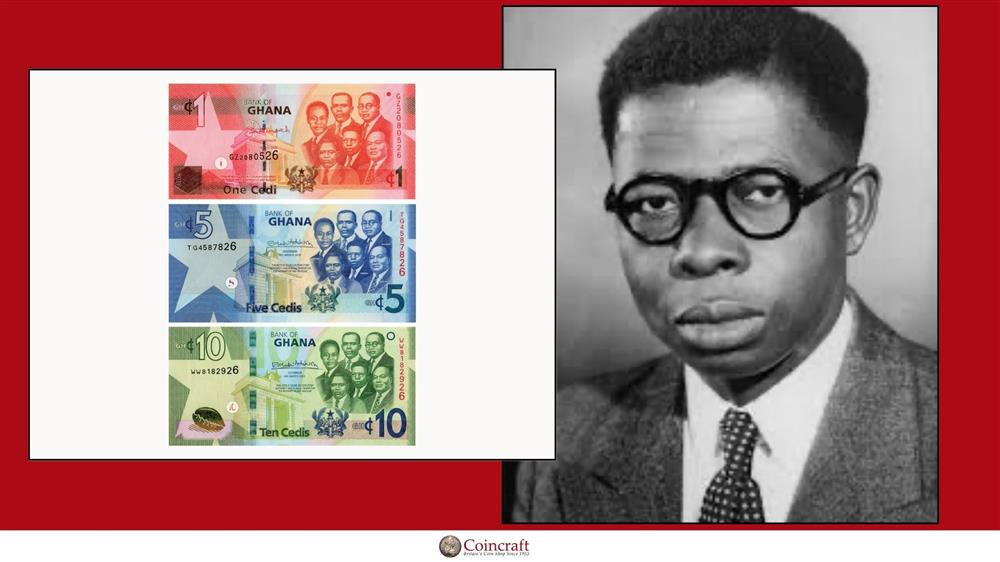
Ebenezer Ako-Adjei stands as a towering figure in the history of Ghana, celebrated for his pivotal contributions to the nation's political evolution. His role in Ghana's journey to independence and his enduring influence on the country's governance and policies continue to inspire many. To understand the breadth of his impact, one must delve into his life, work, and the significant changes he championed throughout his career.
Born into an era of colonial rule, Ako-Adjei's journey was marked by a relentless pursuit of freedom and justice for his people. He navigated the complexities of a world that was rapidly changing and stood out as a beacon of hope and resilience for many Ghanaians. His story is not just about political achievements but also about the timeless values of perseverance, integrity, and service to one's nation.
This article aims to explore the life and legacy of Ebenezer Ako-Adjei, shedding light on his contributions that have shaped the political landscape of Ghana. Through this exploration, readers will gain insights into his motivations, challenges, and the enduring influence he has left on modern Ghana.
Early Life and Education of Ebenezer Ako-Adjei
Ebenezer Ako-Adjei was born on 17 June 1916 in the Eastern Region of Ghana, then known as the Gold Coast. His early life was influenced by the colonial environment of the time, which shaped his perspectives and ambitions. He was the son of a Presbyterian minister, which instilled in him a strong sense of morality and purpose from a young age. His upbringing in a religious household provided a solid foundation for his future endeavours.
Education played a crucial role in shaping Ako-Adjei's worldview. He attended the prestigious Achimota School, where he excelled academically and developed a keen interest in politics and social justice. His time at Achimota exposed him to the ideas of self-governance and Pan-Africanism, which would later become central themes in his political career. His teachers recognised his potential and encouraged him to pursue higher education.
After completing his studies in Ghana, Ako-Adjei travelled to the United States to further his education. He attended Lincoln University in Pennsylvania, where he studied political science and law. This overseas education was instrumental in broadening his horizons and equipping him with the knowledge and skills needed to navigate the political arena effectively. It was during this period that he forged connections with other African leaders, which would prove invaluable in his later political career.
Political Career and Contributions
Upon returning to the Gold Coast, Ako-Adjei immersed himself in the struggle for independence. He joined the United Gold Coast Convention (UGCC), a political party committed to self-governance and the end of colonial rule. As a founding member, he played a significant role in shaping the party's vision and strategies. His eloquence and dedication quickly earned him respect among his peers and the wider public.
One of Ako-Adjei's notable contributions to the UGCC was his ability to articulate the aspirations of the people in a way that resonated deeply. He was instrumental in drafting key policy documents and mobilising grassroots support for the independence movement. His efforts were not limited to rhetoric; he actively participated in organising protests and campaigns that challenged the status quo and demanded political reform.
Despite facing numerous challenges, including arrests and political persecution, Ako-Adjei remained steadfast in his commitment to Ghana's independence. His perseverance paid off when Ghana achieved independence in 1957, marking a significant milestone in the nation's history. Ako-Adjei's contributions during this period laid the groundwork for his subsequent roles in shaping the newly independent nation's political landscape.
The Role of Ebenezer Ako-Adjei in Ghana's Independence Movement
Ebenezer Ako-Adjei's role in the independence movement was multifaceted and vital to its success. As a key figure in the UGCC, he was instrumental in advocating for a united front against colonial powers. His strategic thinking and diplomacy were crucial in uniting various factions within the independence movement, ensuring a cohesive approach to achieving their common goal.
Ako-Adjei's international education and connections also played a significant role in garnering support for Ghana's independence on the global stage. He engaged with influential figures and organisations, leveraging these relationships to raise awareness and secure backing for the cause. His efforts contributed to a growing international consensus that colonial rule in Africa was untenable and that self-determination was a fundamental right of all peoples.
In addition to his diplomatic efforts, Ako-Adjei was deeply involved in grassroots activism within Ghana. He worked tirelessly to educate and mobilise ordinary citizens, empowering them to demand change and participate in the political process. His ability to connect with people from all walks of life made him a beloved figure and a symbol of the independence struggle's legitimacy and urgency.
Key Achievements and Policies Implemented
Following Ghana's independence, Ebenezer Ako-Adjei continued to play a prominent role in the country's political scene. As a member of the first government of independent Ghana, he was appointed Minister for Trade and Industry. In this capacity, he was responsible for laying the foundations of Ghana's economic policies and industrial development strategies.
One of his key achievements was the promotion of local industries and the reduction of dependency on foreign imports. Ako-Adjei recognised the importance of economic self-reliance and worked to establish policies that encouraged local entrepreneurship and industrialisation. His efforts contributed to the growth of Ghana's manufacturing sector and the diversification of its economy.
Ako-Adjei was also a staunch advocate for social reform and education. He championed policies aimed at improving access to education and healthcare, recognising that these were essential for the nation's long-term development. His commitment to these issues reflected his belief in empowering individuals through education and ensuring a healthy and well-informed populace.
The Legacy of Ebenezer Ako-Adjei in Modern Ghana
The legacy of Ebenezer Ako-Adjei is deeply woven into the fabric of modern Ghana. His contributions to the nation's independence and development have left an indelible mark on its political and social landscape. As a pioneer of Ghanaian nationalism, his actions set in motion a series of events that would eventually lead to the establishment of a democratic and sovereign state.
Ako-Adjei's emphasis on unity and collaboration remains relevant in today's Ghanaian politics. His belief in the power of collective action and dialogue continues to inspire political leaders and activists. His legacy serves as a reminder of the importance of inclusivity and cooperation in addressing the challenges facing the nation.
In addition to his political achievements, Ako-Adjei's commitment to education and social justice has left a lasting impact on Ghana's development agenda. His vision for a prosperous and equitable society continues to guide policymakers and educators in their efforts to build a brighter future for all Ghanaians.
Commemoration and Recognition of Ako-Adjei's Contributions
Ebenezer Ako-Adjei's contributions to Ghana's history have been recognised and commemorated in various ways. Several institutions and landmarks have been named in his honour, serving as a testament to his enduring legacy. These include schools, streets, and public buildings, which serve as a constant reminder of his impact on the nation's development.
In addition to physical memorials, Ako-Adjei's life and work have been celebrated through various cultural and academic initiatives. Scholars and historians continue to study his contributions, ensuring that his legacy is preserved for future generations. His story is often included in educational curricula, providing students with an understanding of the pivotal role he played in Ghana's history.
Public events and commemorations are also held to honour Ako-Adjei's contributions. These gatherings provide an opportunity for reflection and celebration, allowing Ghanaians to come together and remember the sacrifices made by Ako-Adjei and his contemporaries in the pursuit of independence and social justice.
Impact on Ghana's Political Landscape Today
The impact of Ebenezer Ako-Adjei on Ghana's political landscape is evident in many aspects of contemporary governance and policy-making. His emphasis on unity and collaboration continues to influence the political discourse, encouraging leaders to prioritise consensus-building and collective decision-making.
Ako-Adjei's advocacy for economic self-reliance and industrial development remains relevant in today's Ghana. The policies he championed laid the groundwork for the nation's ongoing efforts to diversify its economy and reduce dependency on foreign aid and imports. His vision for a self-sufficient Ghana is reflected in the current government's focus on promoting local industries and supporting entrepreneurship.
Moreover, Ako-Adjei's commitment to education and social reform continues to shape Ghana's development priorities. His belief in the transformative power of education and healthcare has guided policy-makers in their efforts to improve access to these essential services. As Ghana continues to evolve, Ako-Adjei's legacy serves as a guiding light, reminding the nation of the values and principles that underpin its progress.
Lessons from the Life of Ebenezer Ako-Adjei
The life of Ebenezer Ako-Adjei offers valuable lessons for both current and future generations. His unwavering commitment to justice and equality serves as an example of the power of perseverance and dedication in the face of adversity. His story reminds us that meaningful change often requires courage, resilience, and a willingness to challenge the status quo.
Ako-Adjei's emphasis on education and empowerment underscores the importance of investing in human capital as a means of achieving sustainable development. His belief in the potential of individuals to drive change highlights the need for inclusive policies that prioritise access to education and opportunities for all.
Finally, Ako-Adjei's ability to unite diverse groups and foster collaboration offers a blueprint for effective leadership. His legacy teaches us that true progress is achieved through dialogue, partnership, and a shared vision for the future. As Ghana continues to navigate its path forward, the lessons from Ako-Adjei's life remain as relevant and inspiring as ever.
Reflecting on Ako-Adjei's Enduring Influence
Ebenezer Ako-Adjei's enduring influence on Ghana's political landscape is a testament to his visionary leadership and unwavering commitment to his nation's progress. His contributions to Ghana's independence and development have left an indelible mark on the country's history and continue to inspire generations of Ghanaians.
As we reflect on Ako-Adjei's legacy, it is important to recognise the values and principles that guided his life and work. His dedication to justice, equality, and collaboration serves as a powerful reminder of the potential for positive change when individuals come together in pursuit of a common goal.
In honouring Ako-Adjei's legacy, let us strive to uphold the ideals he championed and work towards a future that reflects his vision for a prosperous, just, and united Ghana. To learn more about the inspiring life and achievements of Ebenezer Ako-Adjei, consider exploring his story further and discovering how you can contribute to building a brighter future for Ghana.